


The Affordable Care Act (ACA)’s Health Insurance Marketplace was designed to enable individuals with low-to-moderate incomes to purchase subsidized, affordable health plans, including about two million uninsured Texans. The Marketplace in Texas is operated by the federal government and accessed through the healthcare.gov website and affiliated call centers. In March 2014, we surveyed adult Texans to determine whether, when, why and how they accessed the Marketplace. The data show that almost all adult Texans were aware of the Marketplace and that more than two million looked for information about Marketplace plans. Almost half of those wanted to purchase insurance and/or check their eligibility for a premium subsidy. Those looking for plans relied heavily on the healthcare.gov website, which they found helpful and rarely relied on navigators or health care providers for information.
About the Survey
The Health Reform Monitoring Survey (HRMS) is a quarterly survey of adults ages 18-64 that began in 2013. It is designed to provide timely information on implementation issues under the ACA and to document changes in health insurance coverage and related health outcomes. HRMS provides quarterly data on health insurance coverage, access, use of health care, health care affordability, and self-reported health status. The HRMS was developed by the Urban Institute, conducted by GfK, and jointly funded by the Robert Wood Johnson Foundation, the Ford Foundation, and the Urban Institute. Rice University’s Baker Institute and The Episcopal Health Foundation are partnering to fund and report on key factors about Texans obtained from an expanded, representative sample of Texas residents (HRMS-Texas). The analyses and conclusions based on HRMS-Texas are those of the authors and do not represent the view of the Urban Institute, the Robert Wood Johnson Foundation or the Ford Foundation. Information about the sample demographics of the cohort is available in Issue Brief #1. This Issue Brief is a summary of data extracted from the HRMS Survey in Texas that was administered in March 2014. We will continue to report on survey data through additional Issue Briefs and future surveys.
Most Texans Know About the Marketplace and More Than Two Million Adults Looked for Information About Marketplace Plans
When we asked Texans whether they had heard anything about the Marketplace prior to its opening in october 2013, 68.5% responded that they knew something about the Marketplace. By March 2014, that percentage had climbed to 86.3%. of those who had heard something by March 2014, 15.3% reported that they had actually looked for information about Marketplace plans. This response rate equates to 2.1 million Texans who had looked for Marketplace plan information.
Question: As you may know, the new health care law creates health insurance exchanges or marketplaces where people can shop for insurance and compare prices and benefits. How much, if anything, have you heard about this new health insurance marketplace, also known as healthcare.gov? A lot, some, only a little, or nothing at all?
Figure 1 — Percentage of Texans Who Had Heard a Lot, Some, or a Little About the Health Insurance Marketplace

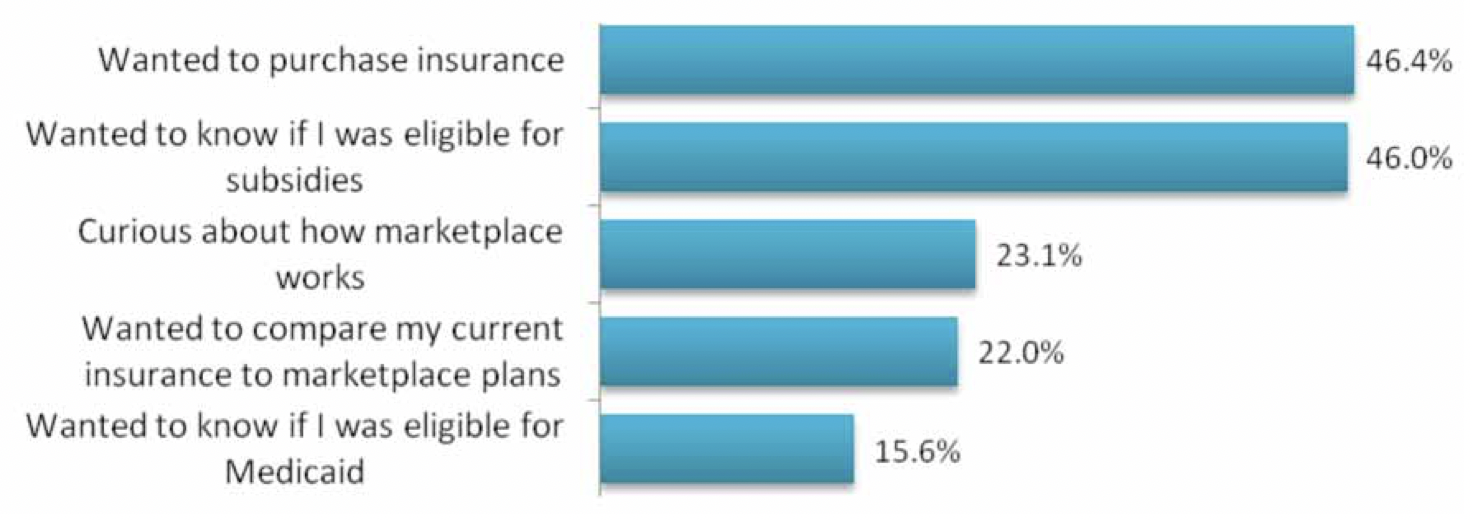
Of the estimated 2.1 million Texans who looked at the Marketplace, about half of them did so because they wanted to purchase insurance and/or to learn whether they were eligible for subsidies. The reasons cited by respondents are in line with the major purpose of the Marketplace—to provide a new source of health insurance coverage with financial subsidies for low-to-moderate income people.
Figure 2 — Reason for Looking at Marketplace, March 2014
Healthcare.gov Was Used by Nearly 80% of Respondents and Was Generally Helpful
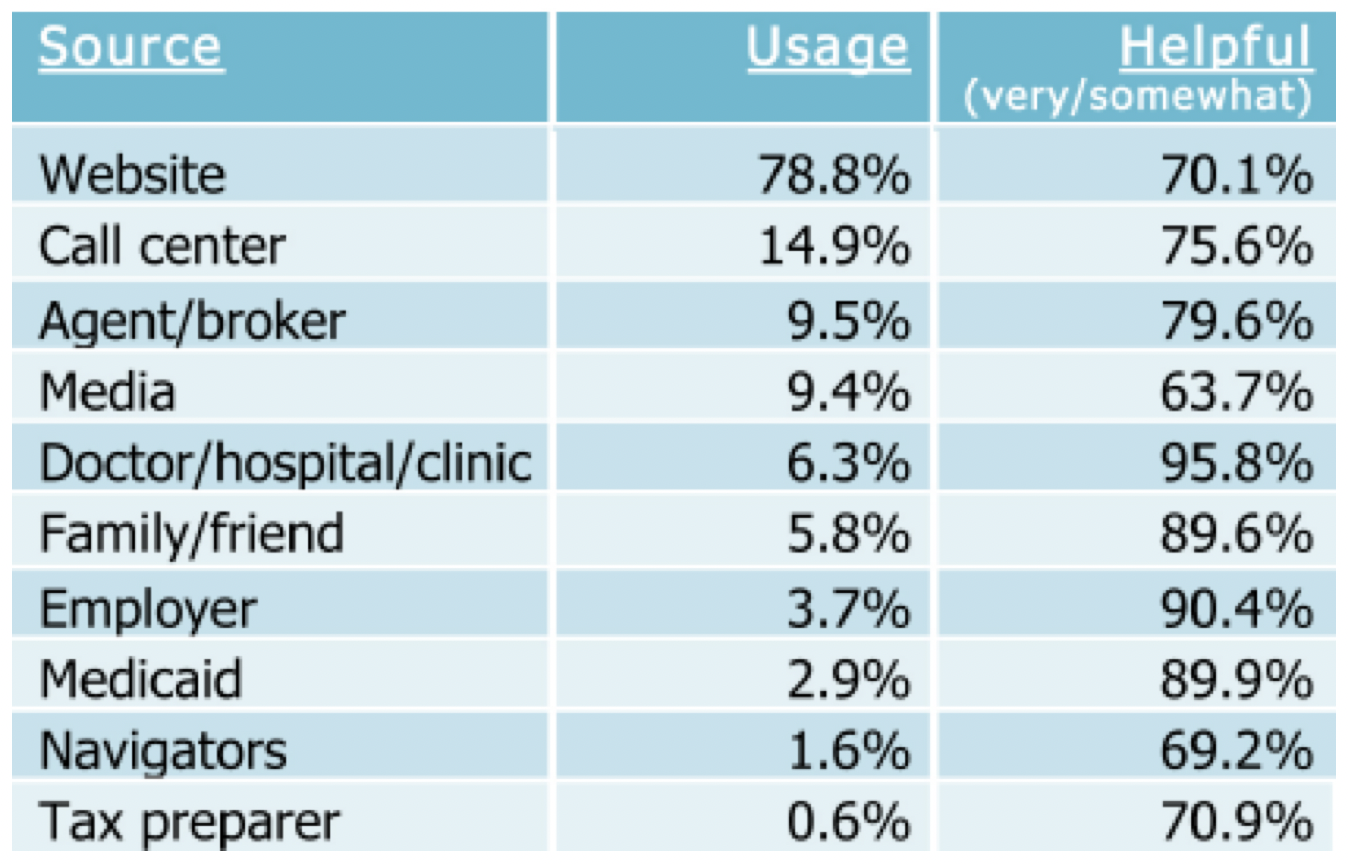
The healthcare.gov website and its affiliated call centers were the predominant sources of information about the Marketplace for Texans. As shown in Figure 3, nearly 80% of respondents used the website and another 15% used the call center generally finding both to be somewhat or very helpful. The high level of reliance on the website and generally positive reaction to it is welcome news considering the enormous problems at the beginning of the enrollment period. Relatively few people reported relying on health care providers, which is surprising considering that the June 2013 HRMS survey indicated that more than 60% of Americans expected to rely on their providers for information. only 1.6% of respondents reported receiving information from navigators. This low number may be attributable to limited availability of navigators, possibly as a result of the regulatory requirements imposed by the Texas Department of Insurance. Another possible explanation is that respondents did not recognize the term “navigator” and, even if they were assisted by a navigator, they may have reported the source of information as the website or call center through which the navigator worked. Some may also have assumed that navigators were agents or brokers.
Figure 3 — Sources of Marketplace Information Used by Texans, March 2014
Shopping Versus Buying in the Marketplace
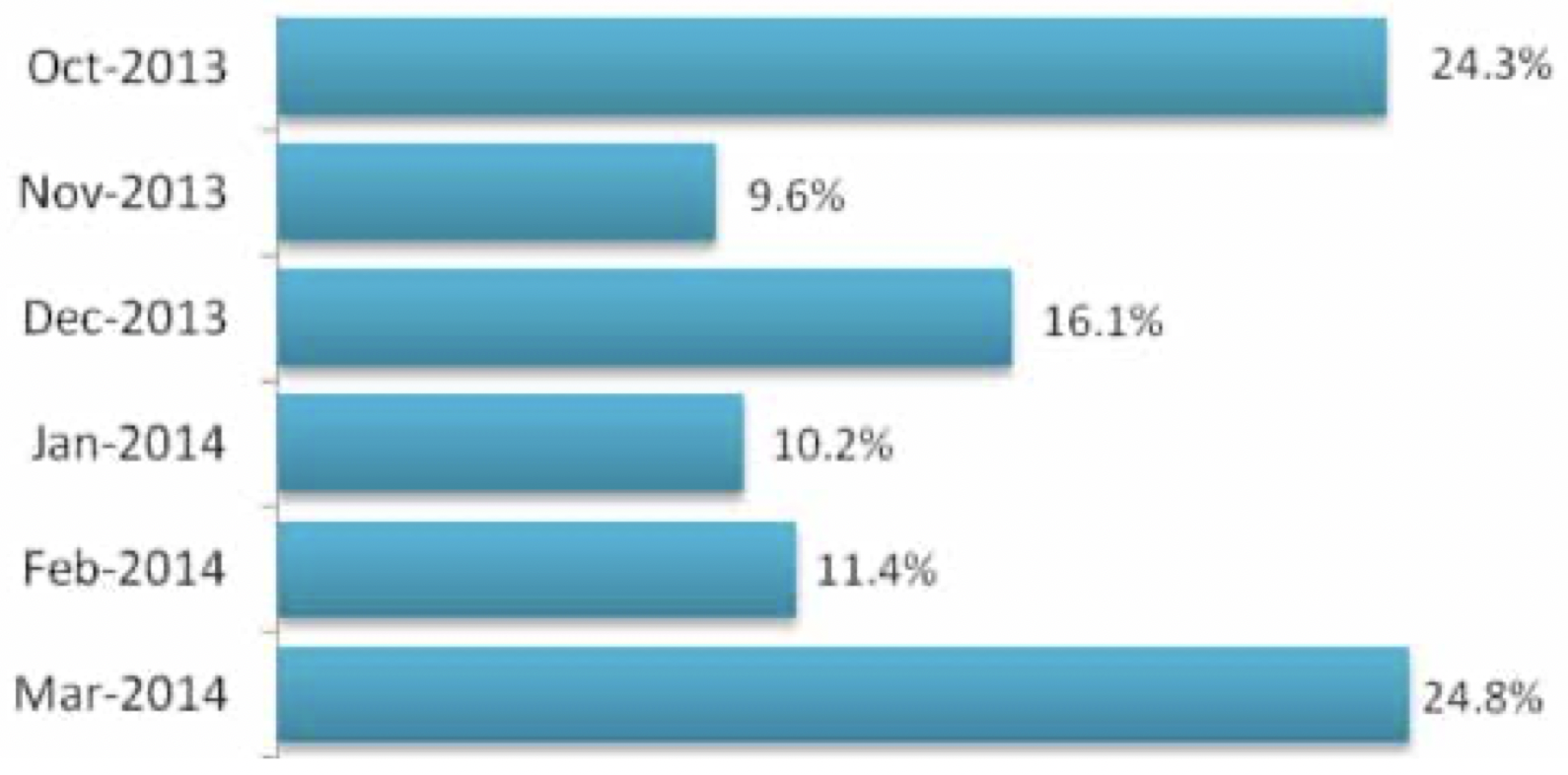
Texans looked for information on Marketplace plans early and often. one-third of respondents first looked in October 2013, as soon as the Marketplace opened. of those who actually enrolled in a health plan, about one-quarter first shopped as the Marketplace opened last October, and another quarter first shopped in March 2014, the last month for open enrollment. These data support the expectations of many health care observers that those with the greatest need for health insurance would act quickly to secure coverage and that many people would wait until the March 31 deadline approached before enrolling. The high percentage of people who looked at the Marketplace in October was also expected and makes the rocky rollout of healthcare.gov even more unfortunate.
Figure 4 — All Months in Which Texans Looked for Marketplace Information
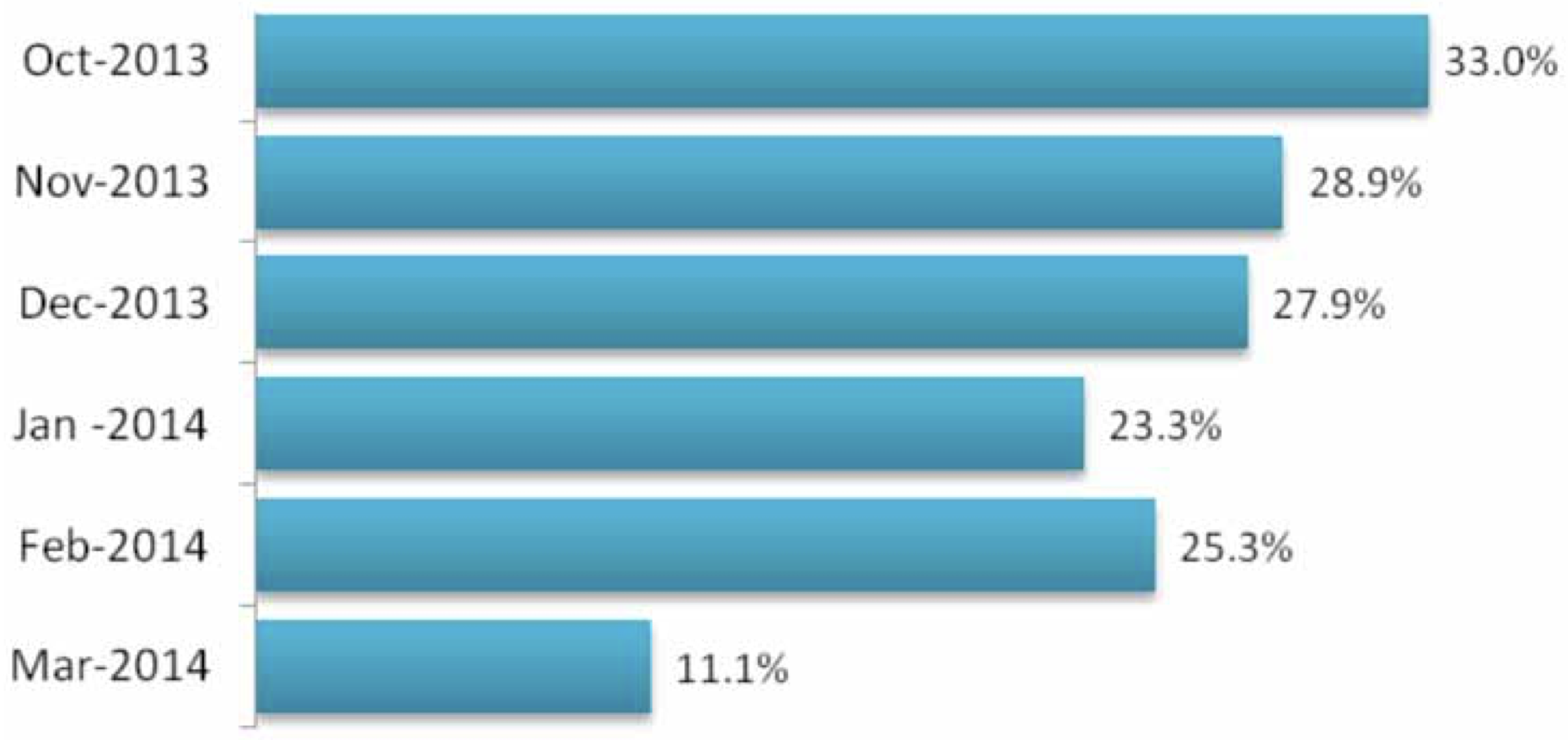
Figure 5 — First Month in Which Texans Looked for Marketplace Information
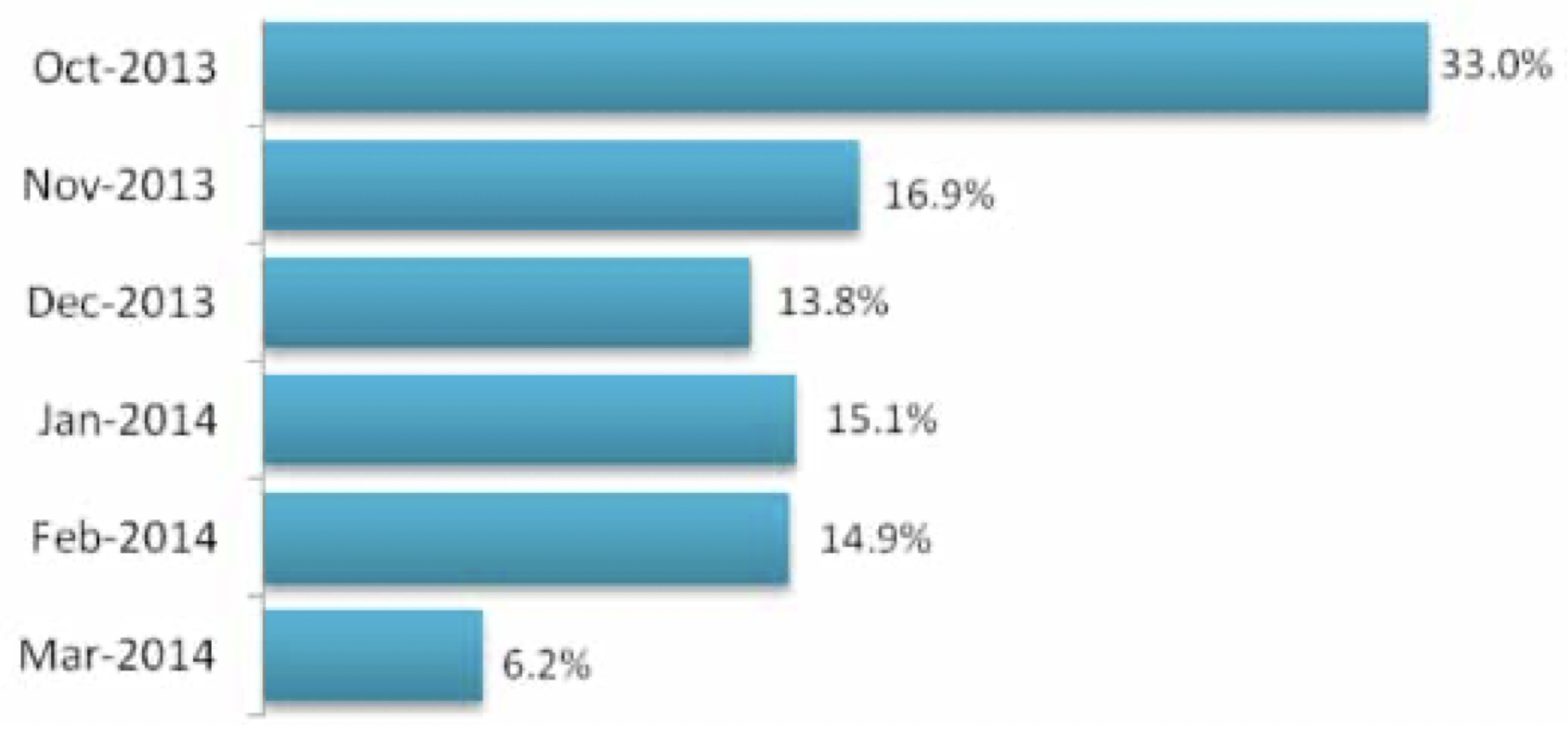
Figure 6 — First Month in Which Texas Enrollees Looked for Information
Looking Ahead
The data reported in this survey were obtained during March 2014, as the enrollment period was coming to a close. We will conduct another survey in June 2014 to continue gathering information on Texans’ experience with the ACA.
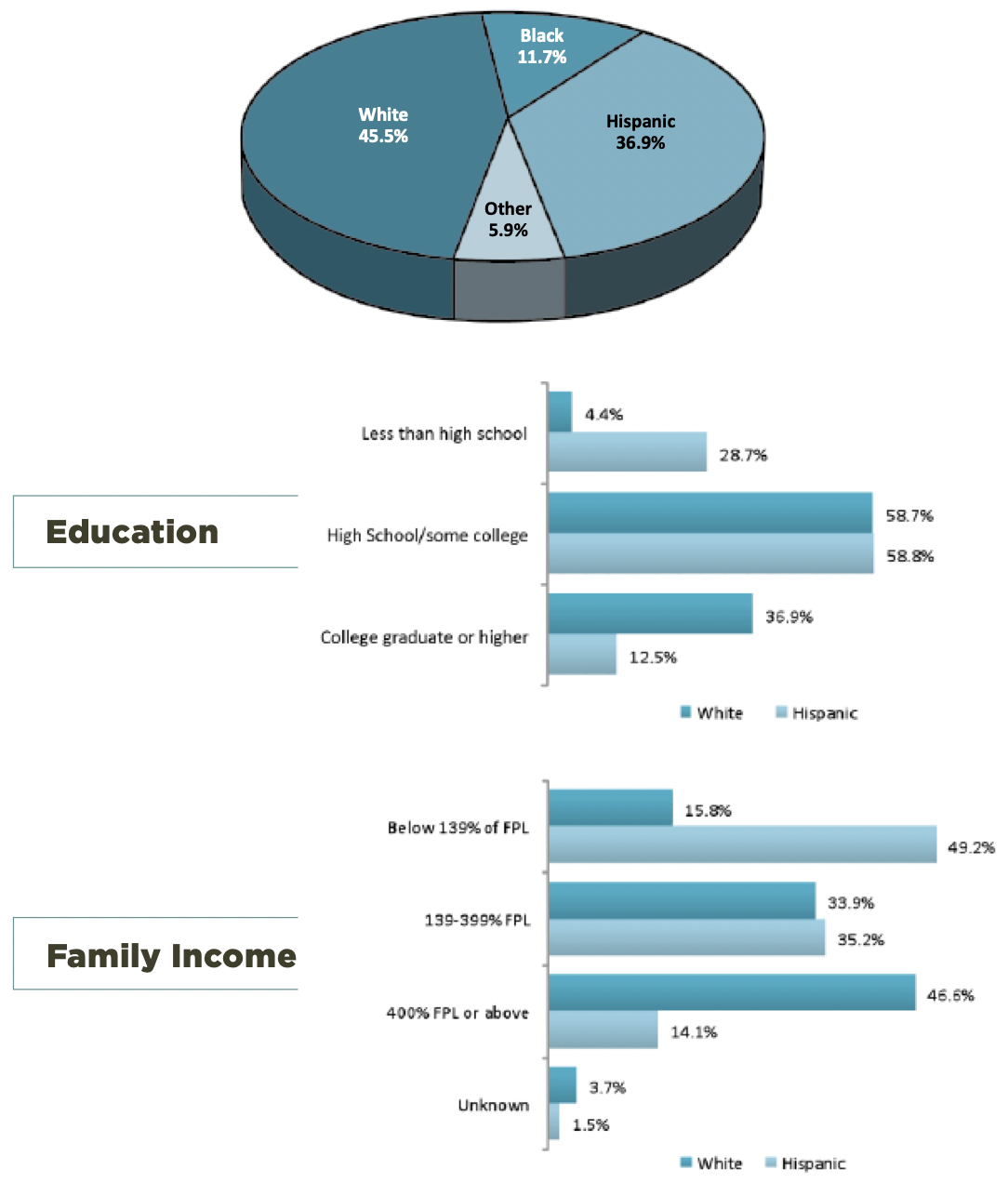
Figure 7 — Characteristics of Survey Participants
Methodology
Each quarter’s HRMS sample of nonelderly adults is drawn from active KnowledgePanel® members to be representative of the US population. In the first quarter of 2013, the HRMS provides an analysis sample of about 3,000 nonelderly (age 18–64) adults. After that, the HRMS sample was expanded to provide analysis samples of roughly 7,500 nonelderly adults, with oversamples added to better track low-income adults and adults in selected state groups based on (1) the potential for gains in insurance coverage in the state under the ACA (as estimated by the Urban Institute’s microsimulation model) and (2) states of specific interest to the HRMS funders.
Although fresh samples are drawn each quarter, the same individuals may be selected for different rounds of the survey. Because each panel member has a unique identifier, it is possible to control for the overlap in samples across quarters.
For surveys based on Internet panels, the overall response rate incorporates the survey completion rate as well as the rates of panel recruitment and panel participation over time. The American Association for Public opinion Research (AAPoR) cumulative response rate for the HRMS is the product of the panel household recruitment rate, the panel household profile rate, and the HRMS completion rate—roughly 5 percent each quarter.
While low, this response rate does not necessarily imply inaccurate estimates; a survey with a low response rate can still be representative of the sample population, although the risk of nonresponse bias is, of course, higher.
All tabulations from the HRMS are based on weighted estimates. The HRMS weights reflect the probability of sample selection from the KnowledgePanel® and post-stratification to the characteristics of nonelderly adults and children in the United States based on benchmarks from the Current Population Survey and the Pew Hispanic Center Survey. Because the KnowledgePanel® collects in-depth information on panel members, the post-stratification weights can be based on a rich set of measures, including gender, age, race/ethnicity, education, household income, homeownership, Internet access, primary language (English/Spanish), residence in a metropolitan area, and region. Given the many potential sources of bias in survey data in general, and in data from Internet-based surveys in particular, the survey weights for the HRMS likely reduce, but do not eliminate, potential biases.
The September 2013 HRMS has a design effect of 1.47 for nonelderly adults, and a sampling margin of error for a 50 percent statistic with 95 percent confidence of +/- 1.3 for the nonelderly adult sample. The March 2014 HRMS has a design effect of .53 for a 50% statistic with a 95 percent confidence of +/- 4.0%.

